
Buying Beachfront Property In Nicaragua

Buying Beachfront Property in Nicaragua in 2926
By Joel Stott-Jess | Updated September 2026
Can a foreigner buy beachfront property in Nicaragua? Yes, but the word beachfront tells you where a property is. It does not tell you what you own.
I have worked with buyers on Nicaragua’s Southern Pacific Coast for years, and the first question I ask about a coastal property is simple: Is it privately titled land, a concession, or a combination of rights? Two neighboring properties can have very different answers.
If you are looking around San Juan del Sur, Playa Remanso, Popoyo, or the Emerald Coast, this guide will help you ask the right questions before you fall in love with a view or send a deposit.
Can foreigners own beachfront property in Nicaragua?
Foreigners can buy privately titled property in Nicaragua, including many coastal homes and lots. You do not need to be a Nicaraguan citizen or resident just to buy titled private property. But beaches and the land beside them have additional rules, so never assume that a listing described as beachfront has ordinary private title all the way to the sand.
Nicaragua’s Law 690, the Law for the Development of Coastal Zones, sets out a public-use coastal zone and a further restricted-use zone. The public-use area includes the shore and extends 50 metres inland from the relevant high-water reference; the restricted-use area extends a further 200 metres. Existing registered rights and the details of a particular parcel matter. A photograph or an agent’s description cannot establish where those boundaries fall.
The practical takeaway: have an independent lawyer review the property’s registered title, survey, coastal-zone position, access, and permitted use before the deposit becomes non-refundable.


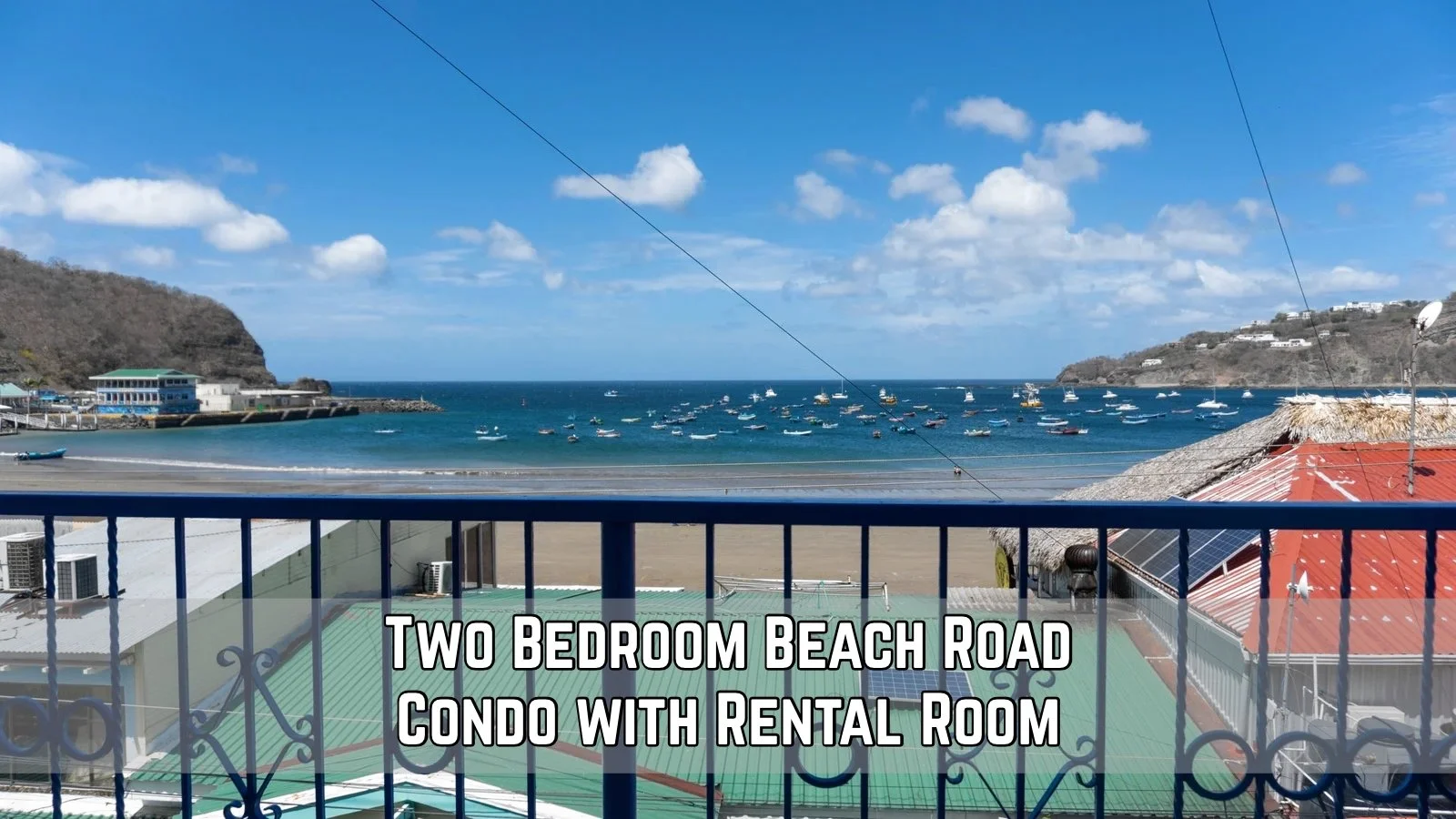

What is the difference between titled property and a concession?
Titled property means the owner has a registered private ownership interest in the parcel shown in the registry. A buyer can generally purchase it in their own name or through an appropriate company, subject to the parcel’s legal status and other applicable rules.
A concession is a government-granted right to use land under specified terms. It is not the same as owning that land outright. Its duration, permitted activity, payments, renewal process, and rules for transfer depend on the actual concession and the law that applies to it.
Does beachfront mean you own the beach?
No. A beachfront home can give you an exceptional location without giving you private ownership of the public beach. Coastal access and use are part of the legal review. Check the actual route to the property, any registered easements, the route the public uses to reach the beach, and whether fences or buildings interfere with lawful access.
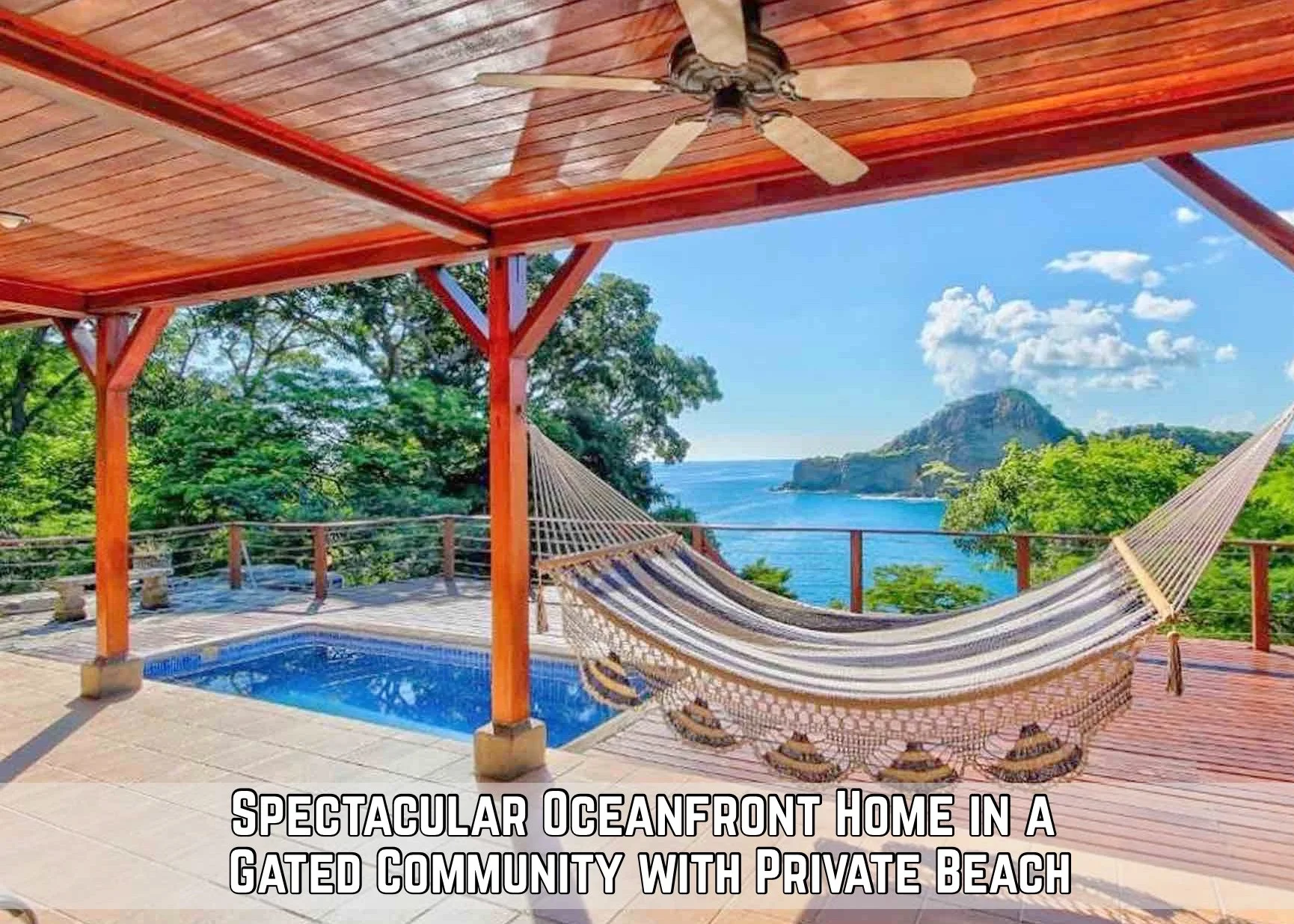
This also matters when a property is marketed as having “private beach access.” That may mean access through a community or a short path to a quieter beach. It does not automatically mean the beach itself is privately owned.
The seven checks I make before recommending a coastal property
Title and seller: Does the Property Registry show the seller as owner? Are there mortgages, claims, restrictions, inheritance issues, or other rights that affect the sale?
Survey and coastal boundary: Do the surveyed boundaries match what you were shown on site? Where does the parcel sit relative to the applicable coastal zones and high-water reference?
Access: Is there a legal, usable road to the property in both dry and rainy seasons? Is beach access documented rather than assumed?
Permits and use: Can you legally build, renovate, rent, or operate the business you have in mind? Ask about municipal rules, environmental approvals, community rules, and any coastal authorization that applies.
Utilities and upkeep: Confirm water, power, wastewater, internet, drainage, and the cost of protecting a building from salt air and storms.
Physical condition: For a finished home, arrange an independent inspection. Coastal exposure is hard on roofs, metalwork, windows, waterproofing, and concrete. Here is my guide to property inspections in Nicaragua.
Total cost and resale: Price the closing costs, annual charges, community fees, repairs, and likely buyer pool. A lower purchase price is not a bargain if the rights or access are difficult to explain to the next buyer.
For the full purchase process, read my 14 things to know about buying property in Nicaragua.
Should you buy in your name or through a corporation?
There is no one-size-fits-all answer. A company can make sense for a development, a group purchase, or a particular estate or operating structure. Direct ownership can be simpler for another buyer. The right choice depends on the property, who is buying, how it will be used, and the tax and reporting obligations in the countries involved.
I would not form a corporation just because someone says you can later sell its shares and “avoid” the normal property-transfer costs. A share sale has its own diligence, liabilities, approvals, and possible taxes. Have your lawyer and tax adviser compare both structures using the actual deal before you commit.
Which part of the coast should you look at?
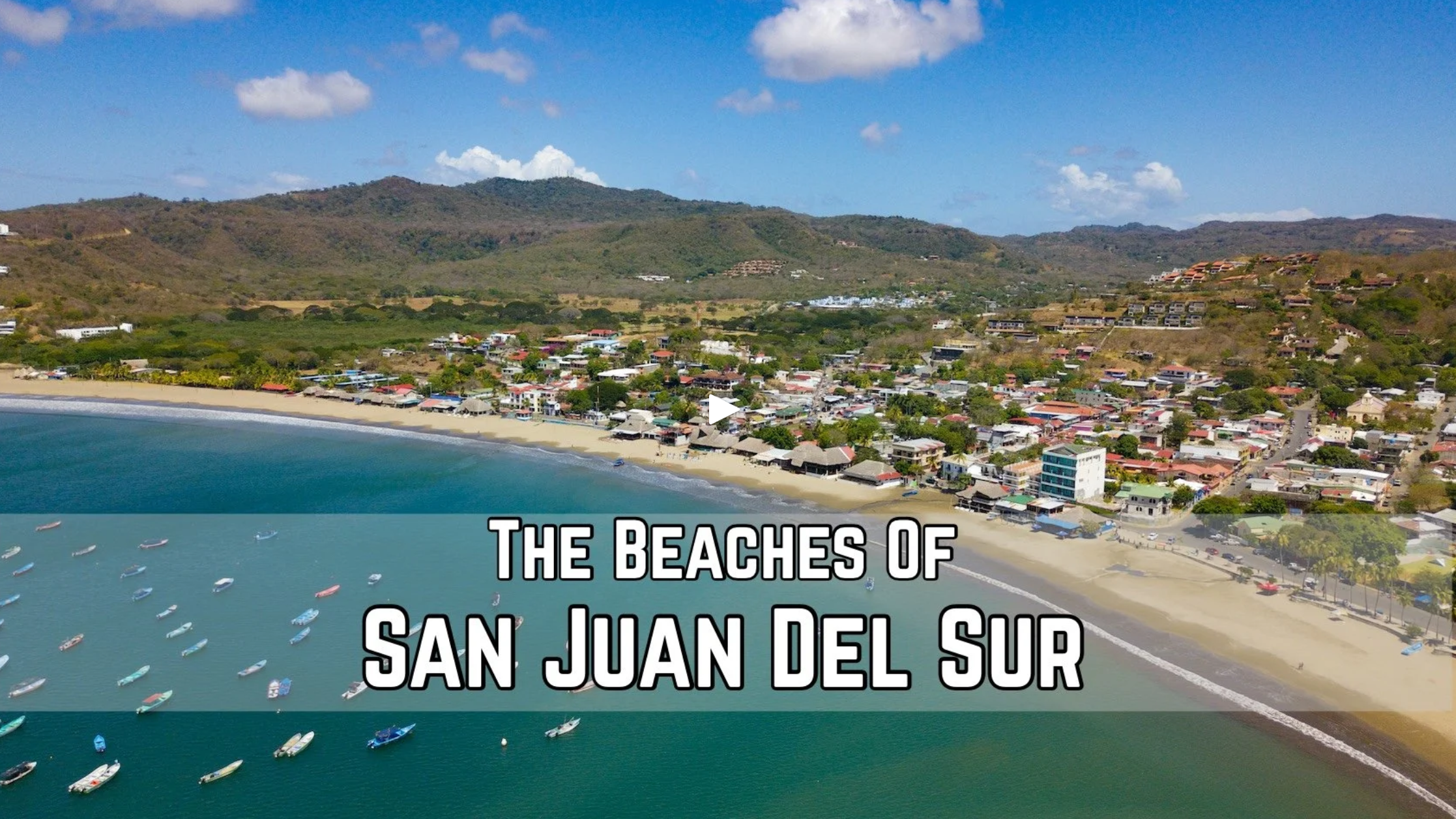
San Juan del Sur offers a town, restaurants, services, and the convenience of living near the bay. Buyers who want waves or a quieter setting often look at the beaches south of town, including Playa Remanso. My guide to the beaches of San Juan del Sur is a good place to compare them.
Tola, Popoyo, and the Emerald Coast offer a different mix of surf, residential communities, and lower-density coastline. The right area depends on whether you plan to live there full-time, visit seasonally, build, or operate a rental. Spend time there before buying; an easy afternoon drive can feel quite different in the rainy season.
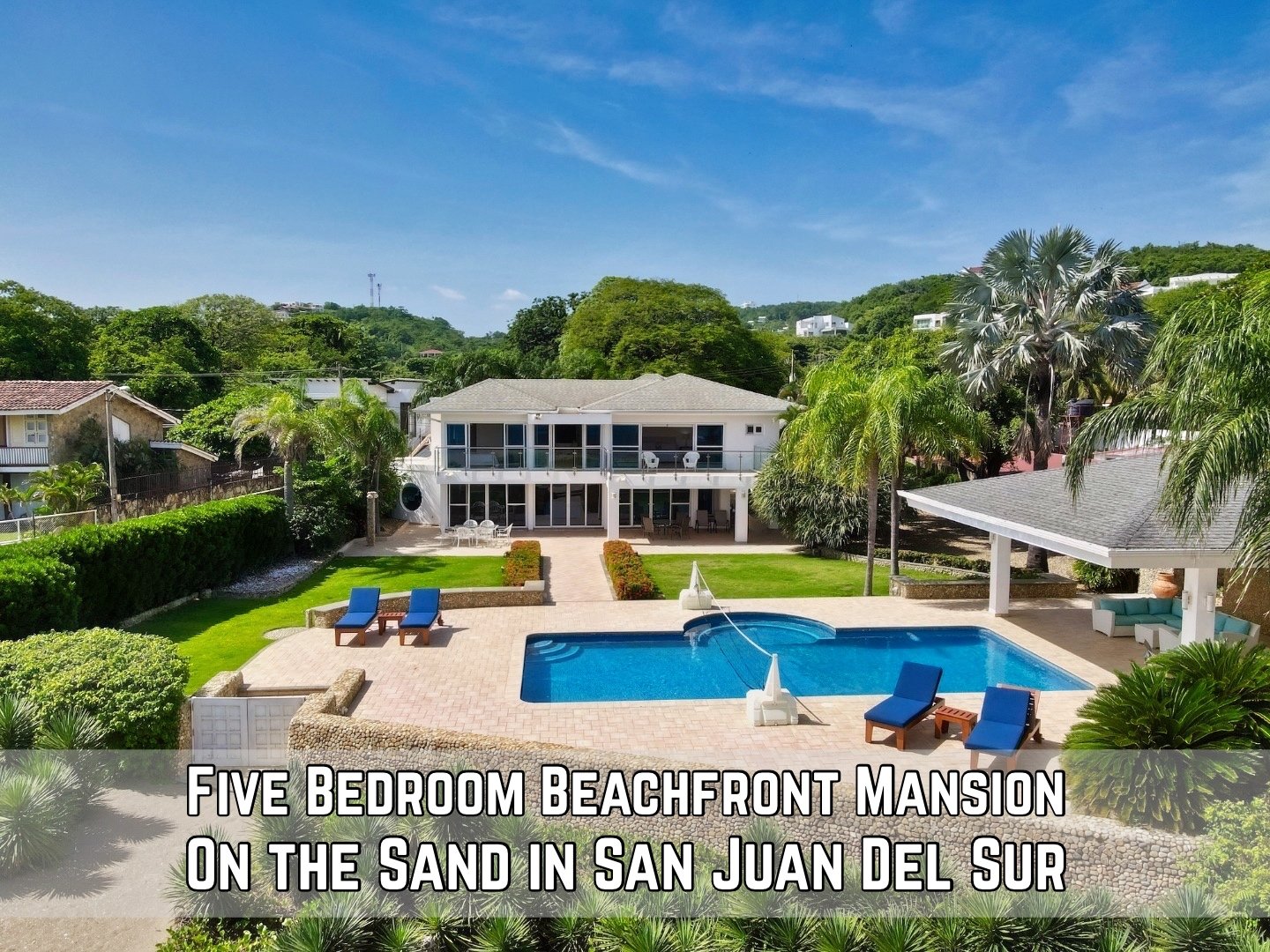
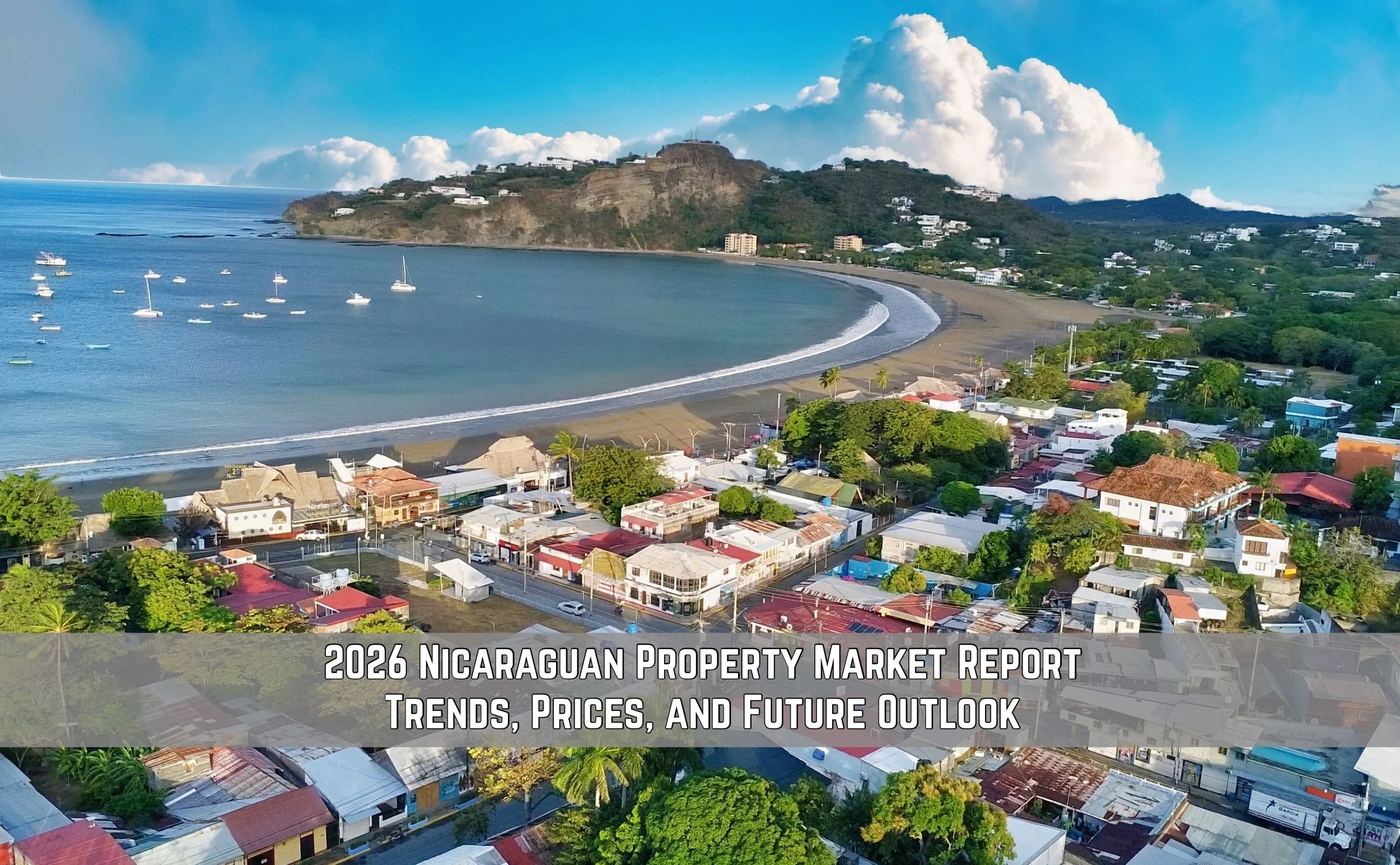
You can browse my current oceanfront listings to see the kinds of homes and lots on the market. Listings and prices change, so I prefer linking to the live category rather than publishing a price list inside an evergreen guide. For wider context, see my 2026 Nicaragua property market report.
My advice before you make an offer
Walk the property, then have the legal and physical details checked independently. Ask the seller for the deed or concession documents, survey, current registry records, tax and fee receipts, permits, and community rules. Make the offer and deposit terms give your team enough time to check them.
Beachfront property can be one of the best reasons to own a place in Nicaragua. The view should be the reason you want it; clear rights, usable access, and a sound building should be the reason you buy it.
Joel Stott-Jess

Cell / WhatsApp: (+505) 8176 8624
US Number: 1 786 651 5481
Broker License Number 144-2025
Originally from Alberta, Canada he has been doing business in Nicaragua since 2014.


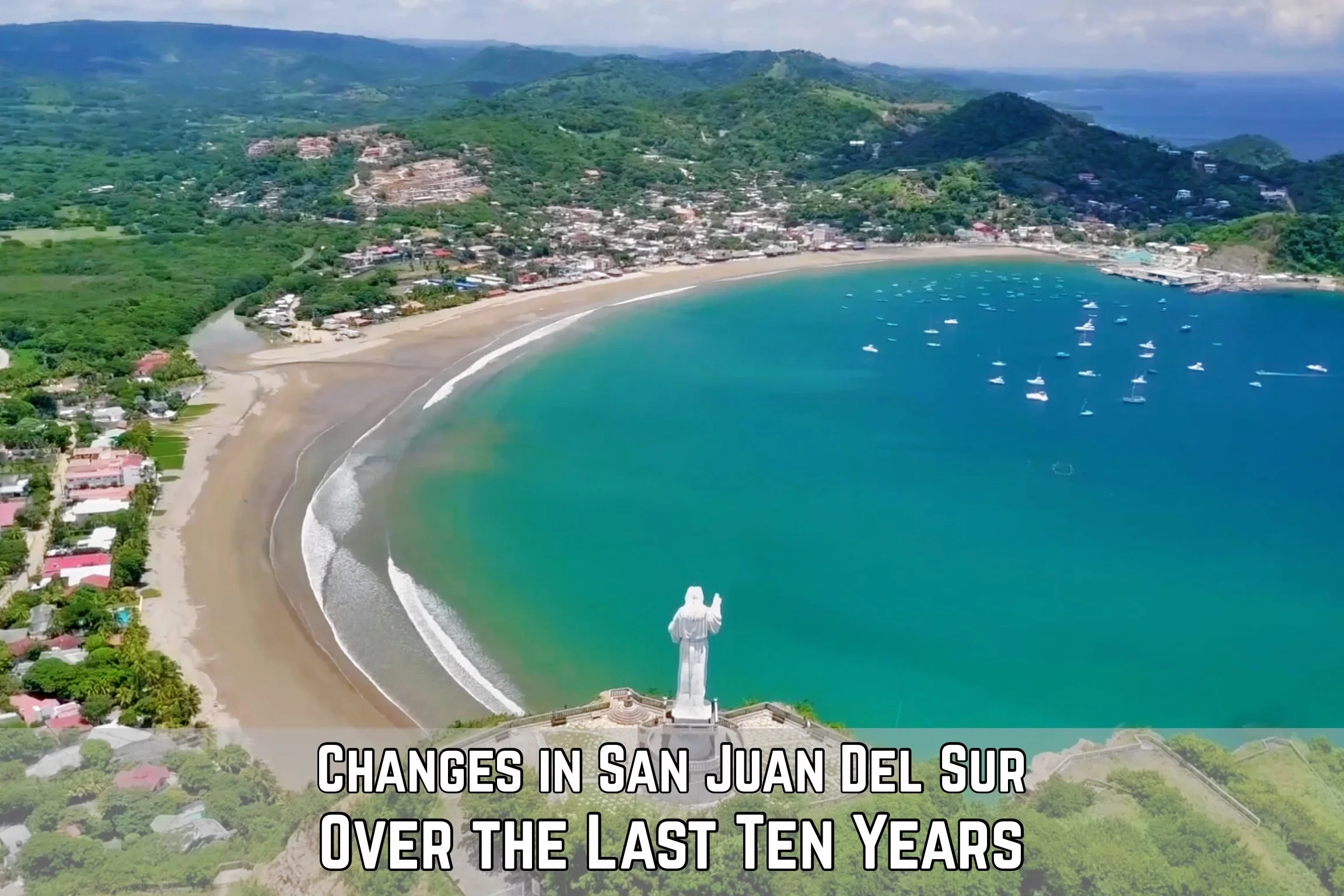






Set directly on the sands of Pochomil, this exceptional eight-bedroom beachfront estate stands among the finest oceanfront properties in Nicaragua