
Buying Property in Nicaragua - 14 Things to Know (Copy)
Updated September 3, 2022
Check out the video! (Subject to change as soon as I have time given the new info below)
Buying Property in Nicaragua as a Foreigner: 14 Things to Know in 2026
Originally published in 2017. Completely rewritten and updated September 2026.
By Joel Stott-Jess
I first wrote this article in 2017, and I have updated it over the years as the market and the rules changed. This 2026 version is a full rewrite. It explains how buying property in Nicaragua works today, including changes in the law and the way the process is now being applied.
If you are new to Life in Nica, I’m Joel Stott-Jess, a New York Times featured licensed Nicaragua real estate broker in Nicaragua. I write these articles and make the videos to share useful information with buyers , sellers, anyone looking at the Nicaraguan Real Estate Market, and also those who are looking for the most authentic information about life here.
I hope this guide helps you decide what is best for you. If you are looking to buy or sell property in Nicaragua, I would be grateful to be part of your journey. My main focus of operation here is facilitating real estate transactions. However in the course of my many years working here I also have offered consulting services for people buying or selling properties they found on their own, starting businesses, investing, and also looking to just become a positive presence in the community.
1. Can a foreigner buy property in Nicaragua?
Yes. Foreigners can buy and own titled private property in Nicaragua in their own name. You do not need to be a resident or citizen, and you do not need a Nicaraguan partner. For a normal titled purchase, there is no separate foreign-buyer tax or additional ownership fee simply because you are not Nicaraguan.
Foreigners can invest in fully titled / fee simple property and coastal concession properies. A concession functions as a long-term, renewable lease granted by the municipal government rather than conventional private ownership. The two structures are different, so I make sure you understand exactly what you are considering before you make an offer.
You do not need to learn Nicaragua’s property system on your own. That is what myself and the rest of your professional team is for.
2. Can foreigners get financing in Nicaragua?
Sometimes, but Nicaragua is still primarily a cash market for foreign buyers.
Local banks so offer mortgages, but they are expensive and difficult to obtain without residency, local income, an established banking relationship and assets in Nicaragua. Most of my foreign clients either buy with cash or arrange financing from their home country, which also serves to take advantage of the interest arbitrage.
Seller financing is another possibility and is much more common here than many buyers expect. The seller accepts a down payment and carries the remaining balance for an agreed period. The interest rate, payment schedule, security and default terms are negotiated as part of the purchase.
Seller financing is handled property by property. When I represent you, I find out whether the seller will consider financing, negotiate the terms and coordinate the agreement with the attorney. I explain the process in more detail in my guide to seller financing for property in Nicaragua.
3. Where can foreigners buy property in Nicaragua?
Foreigners can buy property throughout almost all of Nicaragua.
The main geographic restriction involves land near the borders with Costa Rica and Honduras. Law 1258, the 2025 Border Territory Law, defines the first 15 kilometres inside Nicaragua’s international borders as State property.
This sounds more significant than it is for the vast majority of buyers. Nicaragua has a huge number of excellent properties and communities outside the border zone. There is rarely a reason to take on the additional uncertainty when so many better and simpler options are available elsewhere.
Foreigners can also invest in fully titled beachfront property and coastal concessions. The difference between them is important, but it is not something you need to figure out by yourself.
Nicaragua’s Law 690 governing coastal areas establishes the basic rules for coastal property. The area between low and high tide, plus the first 50 metres inland from the average maximum high-water mark, is generally public-use coastal land. Some older private titles predate the law, and other properties may be held through concessions.
That can sound more complicated than it is in practice. I work with an experienced, English-speaking real estate attorney to confirm the title, survey, coastal boundaries and any approvals that may be required. We determine whether the property is fully titled, held through a concession or needs a Certificate of No Objection.
My attorney and I handle those details with the seller and the relevant authorities. You do not have to chase documents or interpret coastal regulations. If an additional approval will affect the timeline, I explain it before we structure the offer. These transactions regularly go smoothly when the property is reviewed correctly from the beginning.
I cover the subject in more detail in my guide to buying beachfront property in Nicaragua.
4. How do I find the right property?
This is what I am here for. Reach out to me regardless of where you are in the process.
You may already have a shortlist of properties and a detailed spreadsheet. You may only know that you want to be near the beach, have a good internet connection and avoid Canadian winters. Both are perfectly good places to start.
I will discuss your needs, preferences, budget and plans with you. We can talk about whether the property will be a full-time home, vacation property, rental, development project or longer-term investment. From there, I can help you focus on the locations and properties that actually fit your life.
I see myself as the supporting actor in your story here. The purchase is about what works for you, not about pushing you toward a particular listing.
Nicaragua does not have one complete national MLS containing every property. Listings are spread across brokerage websites, owner advertisements, social media, private networks and properties that are quietly marketed without being advertised publicly.
I can help with properties listed by Life in Nica, other brokers and, in many cases, directly by owners. You are not limited to what appears on my website.
If you see a property somewhere else, send it to me before contacting the seller. I can research it, speak with the listing broker or owner, compare it with other options and represent you during the transaction.
You can also begin with the current Life in Nica real estate listings.
San Juan del Sur has an established service base and a wide range of communities. Popoyo, Tola and the Emerald Coast offer excellent beach, surf and resort properties, but roads, utilities, HOA services and access to daily necessities vary considerably.
Part of my job is helping you understand those practical differences. A property can look fantastic online and still be wrong for how you actually want to live.
5. How do I determine a property’s value and make an offer?
A property is worth what the market supports, not necessarily what the seller is asking.
Nicaragua has limited public information about completed sales, so valuing property requires more local knowledge than it would in a market with a transparent MLS.
As your broker, I compare the property with recent sales information when it is available, competing listings, construction quality, replacement cost, access, utilities, views, title quality, rental potential, time on the market and the seller’s circumstances.
I also look at how the property fits your plans. A good price on the wrong property is still a bad purchase.
Once we agree on value and strategy, I prepare and negotiate the offer for you. The agreement identifies the price, deposit, due-diligence period, inspection rights, included furnishings, closing conditions, possession date and what happens if either party does not complete the transaction.
I treat my role as a fiduciary one. I represent you, work in your interest and give you my honest opinion, even when that means recommending that you walk away from a property.
6. How do I choose an attorney?
You do not need to search for an attorney on your own.
I work with trusted, experienced real estate attorneys across Nicaragua, including English-speaking attorneys who regularly represent foreign buyers. I put my reputation behind the professionals I recommend.
Part of my service is coordinating an attorney who works for you. The attorney represents your legal interests, while I stay involved and make sure the legal process lines up with the property, offer and terms we negotiated.
The attorney confirms that the seller owns the property and has the authority to sell it. They review the title history, liens, mortgages, claims, marital or inheritance issues, powers of attorney, taxes and supporting documents.
I coordinate the communication, follow up on the outstanding items and explain where we are in the process. You will have direct access to the attorney, but you will not be left trying to manage a legal team in another country by yourself.
If you will be outside Nicaragua during the transaction, I can also coordinate a limited power of attorney. Signing it while you are in Nicaragua is usually simpler and less expensive, but remote arrangements are possible. My guide to buying property in Nicaragua from outside the country explains the general process.
7. How do the deposit and transfer of funds work?
The standard process is to provide a small refundable earnest deposit when submitting the offer. This is typically US$500 in the transactions I handle.
Once the offer is accepted and the agreed inspection or initial conditions are satisfied, the deposit is normally increased to 10 percent within the period written into the agreement, often within 10 days.
I coordinate the deposit with an experienced, English-speaking real estate attorney. The attorney holds the money in the agreed escrow or trust account and releases it only according to the purchase agreement.
Before you wire a larger amount, I confirm with the attorney:
Who owns and controls the receiving account
What authorizes the release of the money
When the deposit remains refundable
When it becomes non-refundable
What happens if a closing condition is not satisfied
I also verify wire instructions with you through a second communication method. Banks and law firms may request identification, bank statements, tax records or other source-of-funds documents, so I help get that process started early.
I have never had a client lose money during a property transaction in my entire career. That record comes from being careful with deposits, contracts, release conditions and due diligence at every stage.
For more information about accounts and moving money, see my guide to banking and finances in Nicaragua.
8. What happens during due diligence?
Due diligence is where my team and I make sure the property is what the seller says it is.
I normally allow 30 days for this process. You are not expected to chase down government documents, interpret a title history, locate survey markers or coordinate multiple professionals. I handle that with the legal team.
The attorney reviews the ownership, title history, liens, claims, taxes and legal right of access. I compare that work with the property, offer, survey and information provided by the seller.
Together, we confirm:
The seller and chain of title
Liens, claims, leases and possession
The registered area and cadastral plan
Boundaries and legal road access
Coastal or border considerations
Municipal taxes and HOA balances
Utilities, permits and other property obligations
Water, power, septic, drainage and rainy-season access
For a home or other improved property, I recommend an independent inspection. I coordinate a structural engineer who understands local construction and provides a detailed written report with photographs. You can read more in my guide to property inspections in Nicaragua.
If the boundaries, area or access are unclear, I arrange for a licensed surveyor to inspect and measure the parcel.
The legal team and I gather the information, explain the results and deal with any issues that come up. If something needs to be corrected, repaired or renegotiated, I coordinate that for you.
If a serious problem cannot be resolved properly, I will tell you to walk away. There will always be another property.
9. What happens at closing?
I normally plan for closing within approximately 45 days.
Some transactions can close sooner. Coastal approvals, title corrections, financing and other special conditions may require more time. If a longer timeline is likely, I tell you before we finalize the agreement.
Before closing, I coordinate with the attorney and confirm that the legal review, inspection, survey and other conditions have been completed. We review the final numbers, the property inventory, possession arrangements and any remaining work the seller agreed to perform.
At closing, the public deed is signed and funds are released according to the agreement. You can attend in person or, when properly arranged, have an authorized representative sign through a limited power of attorney.
The signing is an important step, but the transaction is not completely finished until the government registration work has been completed.
10. What closing costs should I expect?
There is no honest single percentage that applies to every purchase.
The price, cadastral appraisal, property type, attorney, survey, inspection, escrow arrangements and required permits all affect the final amount.
Before you are committed to the purchase, I have the attorney prepare an itemized estimate. I review it with you so you know what each cost is, who is responsible for it and when it must be paid.
Transfer IR withholding
Nicaragua applies an IR withholding when registered property is transferred. The rate is based on the taxable value and applies to the full amount within that band, not in marginal steps.
Taxable property valueApplicable rateUp to US$50,0001%US$50,000.01 to US$100,0002%US$100,000.01 to US$200,0003%US$200,000.01 to US$300,0004%US$300,000.01 to US$400,0005%US$400,000.01 to US$500,0006%Above US$500,0007%
The taxable base is generally the higher of the deed price or the applicable cadastral appraisal. The payment is processed in the seller’s name, although the purchase agreement determines which party provides the funds.
The current bands are published in the DGI’s tax guidance.
Property Registry fee
Registration is generally charged at C$10 per C$1,000, effectively 1 percent, subject to the applicable minimum and maximum under Law 920 governing Public Registry fees.
Municipal status
The seller normally needs municipal solvency showing that local property taxes and other municipal obligations are current.
I coordinate these figures with the attorney and seller before closing. I do not rely on a generic percentage or allow unexplained charges to appear at the end of the transaction.
11. What other purchase and ownership expenses should I expect?
For a typical purchase, I generally recommend budgeting approximately 1.5 percent for legal and other professional costs.
That estimate can change depending on the lawyer, survey, inspection, escrow arrangements, translations, apostilles, company work or special permits involved.
I request written estimates whenever possible so you are not surprised later.
After the purchase, your expenses may include:
Annual IBI property tax
HOA fees
Insurance
Property management
Security
Utilities
Pool and garden maintenance
Repairs and corrosion control
Staff costs
These ongoing expenses vary substantially by property. A low-maintenance condominium and a large oceanfront home with a pool, garden and full-time staff are very different investments.
I help you consider these costs before you buy, not after you become the owner.
12. How is the property registered?
After closing, the attorney files the deed and completes the registration in your name.
The attorney handles the legal filings. I stay in contact with the attorney, follow the progress and help make sure you receive the final registered documents.
The team also updates the relevant cadastral and municipal records, transfers utilities where required and documents the delivery of possession, keys and property inventory.
Post-closing registration commonly takes approximately two to three months, although the timing depends on the property and the government offices involved.
You should receive:
Proof that the applicable taxes and fees were paid
Proof that the deed was filed
The final registered deed
Updated Registry information
Any updated cadastral or municipal documents required for the property
My involvement does not end the moment the deed is signed. I stay involved until the purchase and handover have been properly completed.
13. Which property documents should I understand?
You do not need to become an expert in Nicaraguan property documents, but it helps to recognize the main ones.
Escritura
The public deed documenting ownership and the transfer of the property.
Plano and cadastral information
The plan and official records identifying the parcel, its area and its boundaries.
Libertad de gravamen
A Registry certificate showing registered liens or encumbrances. It is important, but it does not replace a complete title review.
Historia registral
The Registry history used by the attorney to follow the chain of title and earlier transactions affecting the property.
Solvencia municipal
Evidence that the relevant municipal obligations are current.
Power of attorney
A limited authorization allowing someone to complete specific steps on your behalf when you are outside Nicaragua.
Coastal confirmation or Certificate of No Objection
Additional documentation that may be required for certain coastal properties.
I coordinate the collection and review of these documents with the attorney. If something is missing or inconsistent, we address it before your money becomes non-refundable.
14. Which other terms should I know?
DGI
The national tax authority involved in assessing and collecting applicable transaction taxes.
INETER
The national territorial and cadastral authority involved in property location, mapping and cadastral requirements.
Property Registry
The public office where ownership and registered rights, mortgages or other encumbrances are recorded.
IBI
The annual municipal property tax. The legal rate is 1 percent of the taxable base. Under Decreto 3-95, that base is generally 80 percent of the cadastral or self-assessed value, which is why IBI is often described as 0.8 percent.
That does not necessarily mean 0.8 percent of the property’s market price. Paying the full annual bill during the first quarter can also qualify for a 10 percent discount.
HOA
A homeowners association may collect fees and enforce community rules. I review the current fees, services, debts, restrictions and known special assessments with you before you buy.
My guide to the communities and developments around San Juan del Sur provides more information about how local developments and HOAs operate.
Final thoughts
If you have read this far, I hope you have a clearer understanding of how buying property in Nicaragua works and what I can do to make the process easier for you.
Foreigners can own good titled property here, and the purchase process does not need to be intimidating. The important thing is choosing the right property and having an experienced team protect your interests from the beginning.
That is where I come in. I help you find and compare properties, assess value, negotiate the agreement, coordinate the attorney and other experts, manage due diligence, and stay involved through closing and registration.
I will also give you my honest opinion. If a title issue, coastal requirement, access dispute, inspection problem or other concern cannot be resolved properly, I will tell you. There will always be another property.
Since you have taken the time to read this guide, I hope you will consider working with me when you are ready. Even if you are only beginning to think about buying in Nicaragua, reach out and tell me what you are looking for.
Contact me at Joel@LifeInNica.com. I would be grateful for the opportunity to be the supporting actor in your story here.
Additional FAQs
Can I buy property without being in Nicaragua?
Yes. Many purchases can be completed using a limited power of attorney prepared for the specific transaction.
Depending on where it is signed, the document may require notarization, an apostille or legalization, translation and registration in Nicaragua. I coordinate the process with the attorney and give you clear instructions for completing the required steps.
Should I buy in my own name or through a company?
Buying personally is often the simplest option for one person purchasing a home.
A company may make sense when there are several owners, an active rental or development business, liability concerns or succession-planning considerations. However, it also creates accounting, tax, filing and beneficial-owner obligations.
I can explain the practical differences and introduce you to the appropriate attorney and accountant. They will advise you on which structure fits your circumstances.
Does buying property give me residency?
No. Buying property does not automatically make you a resident.
A qualifying investment may support certain residency applications, but residency is a separate process with its own eligibility and documentation requirements. My guide to residency in Nicaragua provides a general introduction.
How long does the complete buying process take?
A typical agreement may allow 30 days for due diligence and target closing in approximately 45 days.
Registration often takes another two to three months after closing. Coastal approvals, title corrections, financing and unusual government requirements can extend that timeline.
I will give you a realistic estimate based on the particular property before we finalize the offer.
Can foreigners buy beachfront property?
Yes. Foreigners can invest in both fully titled beachfront property and coastal concessions.
I coordinate the review with an experienced, English-speaking attorney to confirm the title or concession, coastal boundaries, access, permits and any required Certificate of No Objection. We handle those details so you do not have to sort through the coastal regulations yourself.
How easy will the property be to resell?
Properties with clean title, reliable access, good services, broad buyer appeal and sensible ongoing costs are generally easier to resell.
I consider resale from the beginning, even when you expect to own the property for many years. A property should suit you today without unnecessarily limiting your options later.
• Keep the title focused on the main search intent: “Buying Property in Nicaragua as a Foreigner: 14 Things to Know in 2026.”
• Use the 14 numbered questions as H2 headings. Use H3 headings only where a section needs a clearly named subsection.
• Retain the transfer-tax information as a real two-column table that is easy to scan on mobile.
• Add a short table of contents beneath the introduction with jump links to all 14 questions.
• Add an original hero photo of Joel at a recognizable Southern Pacific Coast property, with descriptive alt text rather than keyword stuffing.
• Add two or three useful original visuals: a property survey or boundary review, a closing or deed-signing image, and a Southern Pacific Coast location image.
• Link naturally to the 2026 property market report, beachfront guide, inspection guide, remote-buying guide, community guides, seller-financing information, banking guide and relevant listings. Keep older pages only when still useful and label older guidance when details have changed.
• Add reciprocal internal links to this guide from the real-estate landing page and the strongest related articles.
• Link important legal and tax claims directly to the relevant official source. Open external sources in a new tab if that matches the site’s normal practice.
• Keep the author block current: licensed Nicaragua real estate broker, licence #144-2025, serving Nicaragua’s Southern Pacific Coast.
• Replace the old joel@nicaliferealty.com address, obsolete phone numbers, stale corporation and residency claims, and any 2022 market language on the live page.
• Do not add FAQ schema merely to chase a rich result. The visible question-and-answer structure is valuable on its own, and any structured data used must match the page exactly.
SEO Title
Buying Property in Nicaragua as a Foreigner: 2026 Guide
Meta Description
Can foreigners buy property in Nicaragua? Learn the 2026 rules, buying process, closing costs, title checks, coastal property rules and common risks.
Original URL to Preserve
https://www.lifeinnica.com/blog/2017/8/27/14-things-to-know-about-buying-property-in-nicaragua
Plan to Update the Existing Article Without Losing Its Ranking History
1. Before publishing
• Export or copy the current Squarespace article as a backup.
• Record the current title, description, headings, backlinks, internal links, organic queries, clicks, impressions, click-through rate and average position in Google Search Console.
• Confirm that the original URL is indexed and note its canonical URL.
• Prepare all images in WebP or another efficient format, compress them and use descriptive filenames and alt text.
• Check every factual and internal link in the new draft immediately before publication.
2. Update the existing page in place
• Edit the existing 2017 article. Do not create a second post for the rewrite.
• Keep the exact URL above. Do not change the slug, delete the old page or add a redirect unless the URL is accidentally changed.
• Replace the old body with the finished 2026 article while retaining the original publication history and adding a clear “Completely rewritten and updated” date.
• Preserve useful comments and other page elements when Squarespace allows it.
• Set one clear H1 and make each of the 14 questions an H2.
• Update the SEO title, meta description, social-sharing image and excerpt.
• Make sure the page has a self-referencing canonical tag and remains indexable.
• Test the published page on mobile and desktop, including the tax table, jump links, images, contact links and page speed.
3. Strengthen the page after publication
• Add prominent internal links from the Life in Nica real-estate page, the 2026 market report and the most relevant older articles.
• Update older articles so they send readers to this guide for the current deposit, closing-cost, border and coastal rules.
• Publish the companion video using the same 14 questions as chapters, embed it near the top of the article and link back to the guide from YouTube.
• Share the refreshed guide through the Life in Nica newsletter, Facebook page and other established channels to generate qualified visits and natural links.
• Use Google Search Console’s URL Inspection tool to request reindexing of the unchanged URL after the update.
• Check indexing, clicks, impressions, click-through rate and query positions after roughly 7, 28 and 90 days.
• Compare the queries where the page ranks in positions 2–10 with the article. Improve weak sections only when the search results show a genuine information gap.
• Do not repeatedly change the title or rewrite the page during the first few weeks unless there is a factual or technical problem.
Priority Order
1. Publish the accurate rewrite at the existing URL.
2. Fix outdated contact details and old claims across the page.
3. Improve headings, table formatting, images and internal links.
4. Request indexing and promote the refreshed guide.
5. Measure results and make evidence-based refinements.
Ranking Objective
The goal is to regain the strongest possible position for searches such as “buying property in Nicaragua,” “can foreigners buy property in Nicaragua,” “Nicaragua real estate closing costs” and related long-tail questions. Keeping the established URL protects the page’s history and links, but no legitimate SEO plan can guarantee the number-one position. The best path is a materially better, current article supported by strong internal linking, first-hand expertise, useful original visuals and careful post-publication measurement.





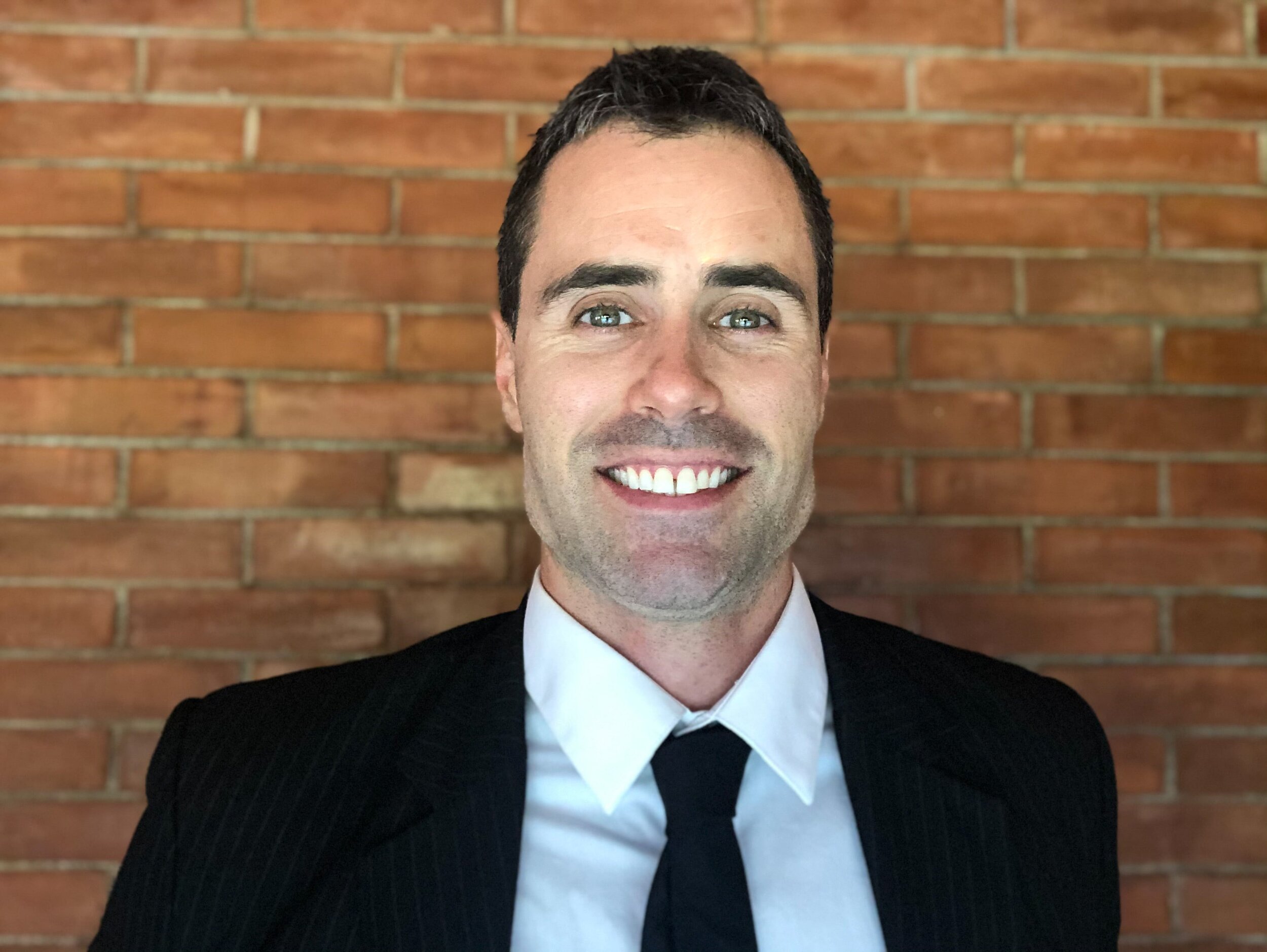
Joel Stott-Jess
Cell / WhatsApp: (+505) 8176 8624
US Number: +1 786 753 8743
Skype: joelstottjess
Joel Stott-Jess is a New York Times featured agent / broker in San Juan Del Sur.
Originally from Alberta, Canada he has been doing business in Nicaragua since 2014.
An investment consultant, serial entrepreneur, surfer, and outdoor enthusiast he is an expert on the real estate and business markets in Nicaragua. He also operates The Central Investor, a real estate and investment blog focused on the entire Central American region.
Thanks to his lovely Nicaraguan wife, a medical doctor, he is also well informed on health care services in the country.
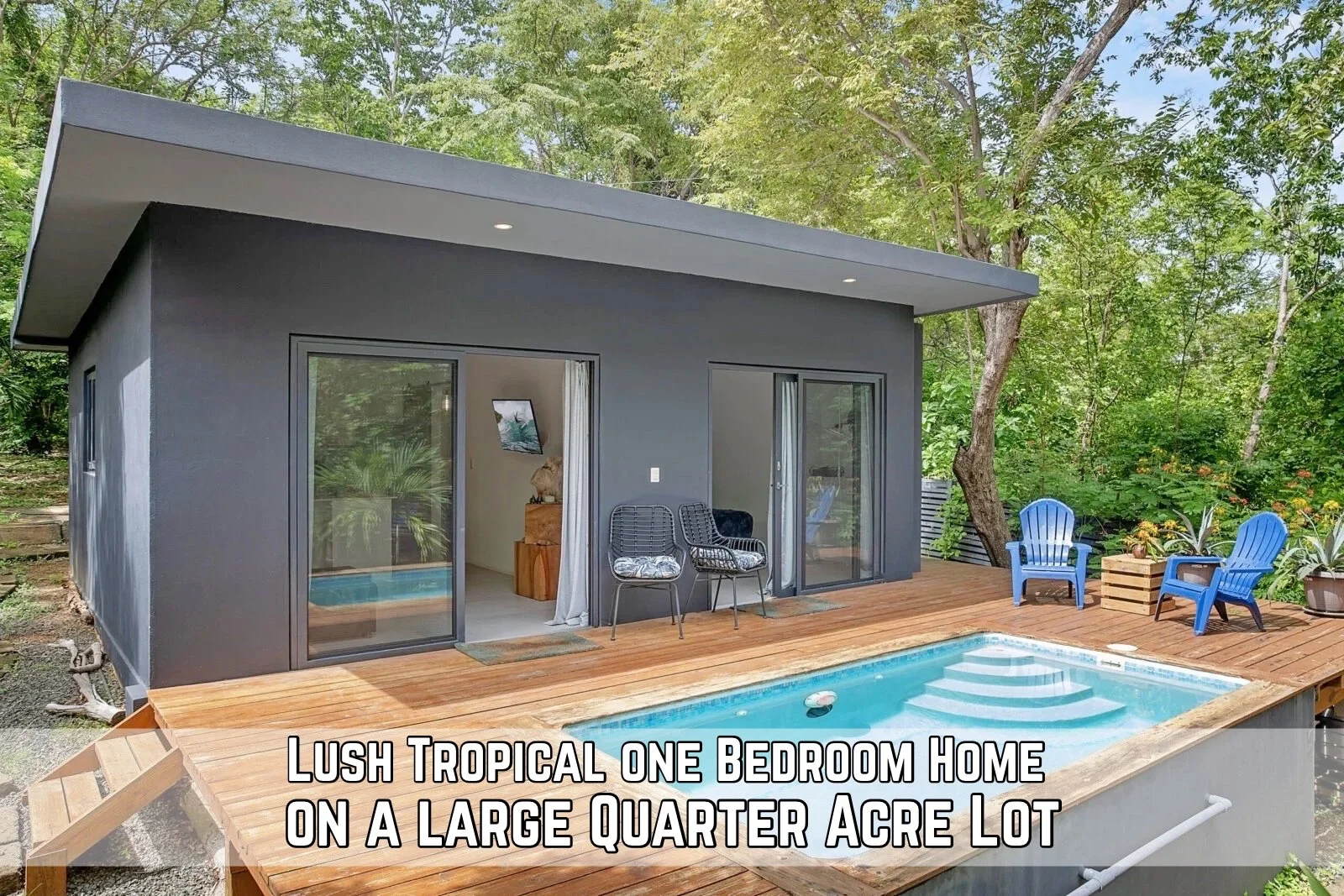


Private tropical living just minutes from San Juan del Sur and Playa Remanso